
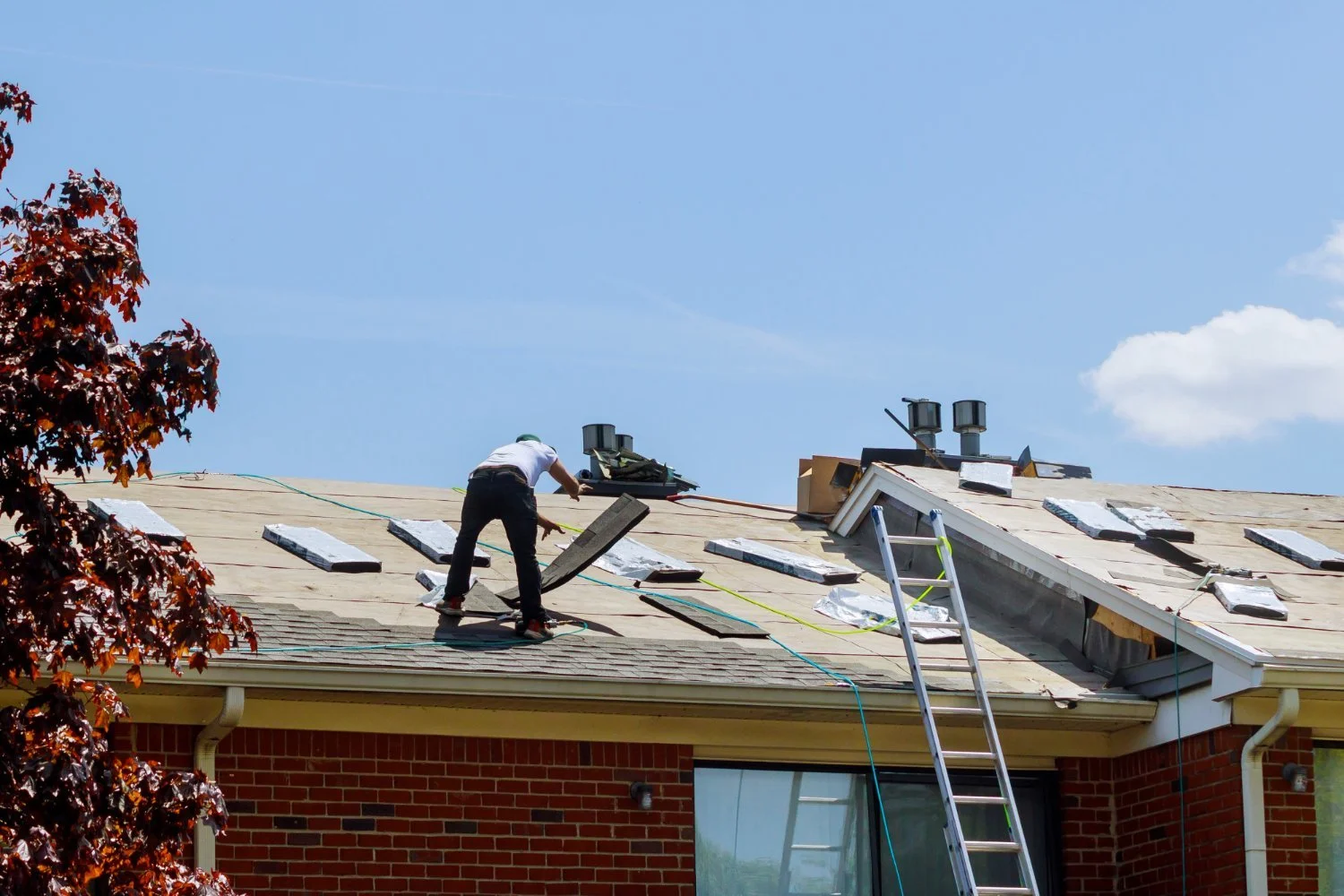
Let’s be honest—figuring out when to schedule work on your roof isn’t exactly “exciting.” But if you’ve ever dealt with a leaky ceiling during a thunderstorm or had shingles fly off in a windstorm, you know that timing really does matter. Whether you’re planning a full replacement, patching up after last winter’s freeze, or just getting ahead of inevitable wear and tear, there are definitely better (and worse) times of year to tackle roofing projects. Here’s how to get it right, without all the stress.
The Best Time: Mild Weather, Happy Crews
If you ask most pros, spring and early fall are the sweet spots for residential roof work. The goldilocks months—think April through early June or September through early November—bring steady, moderate temps and fewer wild rainstorms (well, most years…). Shingles go on smoothly, adhesives seal fastest, and nobody’s fainting from heat. Roofing crews work longer, more comfortable hours, which usually means a faster, better job.
A bonus: you often beat the late-summer rush when everyone suddenly notices storm damage or starts prepping for winter. Schedule early and you might even get a better deal, since contractors aren’t as swamped.
Summer: Good, But Sometimes Too Hot
Summer is popular, especially if you’ve got vacation time to stay home for the chaos. But if you live somewhere that can fry an egg on the sidewalk, beware. High heat can make shingles stick too quickly (or not at all, depending on type), and scorching attic temps can be hard on both workers and materials. Sometimes, a good residential roof repair contractor will start work at sunrise just to beat the heat—great for quality, but maybe not ideal for your weekend sleep-ins.
If you’re in a place where summer storms are the norm (I’m looking at you, Gulf Coast and Midwest), projects may be broken up by sudden downpours. That means more tarps and possibly longer waits.
Winter: Only If You Have To
Roofing in winter? It’s not ideal. Cold temps can make shingles brittle or adhesive slow, and snow or ice piles just add to the challenge. If you’re in a bind—think active leak, animal intrusion, or real damage—a good contractor can do emergency repairs, but for anything major, you’ll probably be better off waiting until things warm up. (Oh, and climbing a snowy roof: just, no.)
Storm Seasons: A Gamble
Late summer hurricane threats, spring hail, or fall windstorms—if you know rough weather is coming, try to book work before (or after) the wild season. Contractors book up fast after every big storm, and you may end up waiting longer, scrambling for supplies, and paying more due to demand.
But if you’re unlucky and need a repair after a storm, call a reputable residential roof repair contractor immediately and put your name on the list. The sooner you’re in their queue, the faster you’ll be safe and dry.
The Too-Late Fix: When Delaying Costs You More
Putting off roof work until after you notice signs inside your house (like stains, mold, or drafts) is the worst timing of all. Small issues usually get bigger fast—so if you spot cracked shingles or see neighbors getting repairs, use that as your nudge.
If you’re not sure how old your roof is or what condition it’s in, schedule a yearly checkup, especially after rough weather.
Bottom line? Don’t wait for trouble. Aim for mild weather, plan ahead, and stay flexible with your timing, and your next roofing project will go a whole lot smoother—rain or shine.
