
19
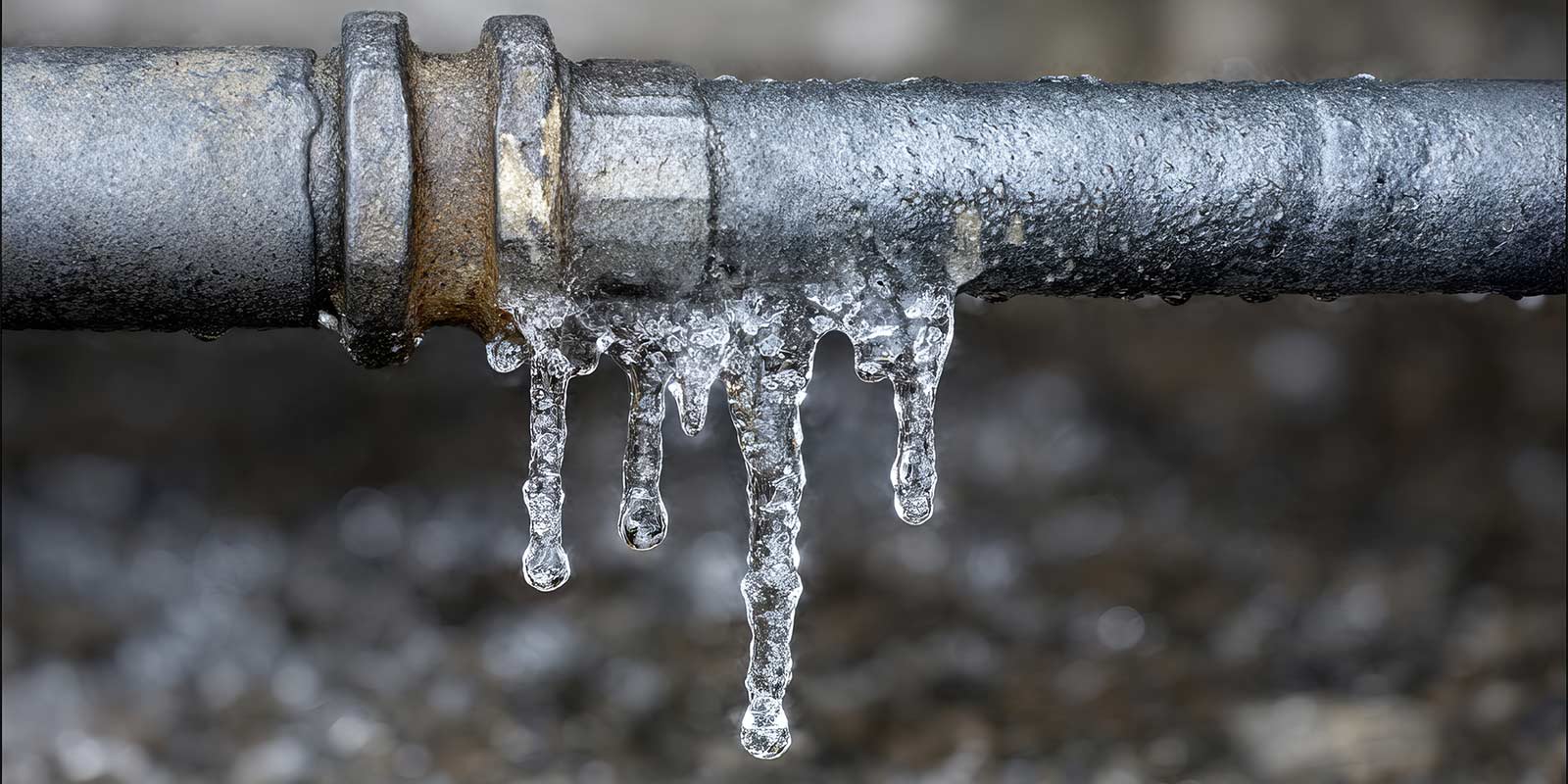
When outdoor temperatures drop rapidly into the teens or single digits, residential plumbing faces extreme stress. Water expands by roughly nine percent as it freezes, exerting immense hydraulic force inside closed copper, galvanized steel, and rigid plastic pipes. Contrary to common belief, the rupture rarely happens at the exact point of the ice blockage. Instead, the expanding ice plug acts like a sealed piston, driving downstream water pressure to extreme levels until the pipe wall bursts at its weakest structural point.
A single cracked pipe can release hundreds of gallons of water per hour into living spaces, destroying drywall, flooring, electrical wiring, and personal belongings. Taking deliberate, practical precautions before and during severe winter cold snaps protects your home and prevents costly emergency repairs.
Identifying High-Risk Plumbing Locations
Certain water lines inside a home are substantially more vulnerable to freezing than others. Plumbing running through interior partition walls rarely freezes because ambient indoor heat keeps the cavity well above freezing. High-risk zones share common characteristics: exposure to unheated outdoor air, cold drafts, or minimal structural insulation.
-
Exterior Wall Cavities: Kitchen and bathroom supply lines routed through perimeter walls are shielded from indoor heat by cabinetry and wall finishes while sitting directly adjacent to freezing outdoor sheathing.
-
Unconditioned Crawlspaces and Basements: Pipes suspended below floor joists in unheated crawlspaces or unfinished basements stay within a few degrees of outdoor temperatures, especially when foundation vents remain open.
-
Attic Plumbing Runs: Supply lines running over ceiling insulation to second-floor fixtures lose the thermal benefit of the home below, leaving them exposed to attic air temperatures.
-
Garages and Utility Closets: Water lines feeding utility sinks, hose bibbs, or water heaters inside unheated attached garages freeze quickly during extended subzero stretches.
-
Exterior Hose Bibbs (Spigots): Outdoor faucets connected to water supplies through exterior walls conduct outside cold directly into the interior framing.
Immediate Steps Before an Arctic Blast Arrives
When local weather reports forecast an impending arctic front, execute a checklist of protective measures at least twelve to twenty-four hours before temperatures plunge.
Disconnect and Drain Outdoor Fixtures
Remove all garden hoses, splitters, and timers from exterior spigots. Leaving a hose connected prevents residual water from draining out of the faucet body. When that water freezes, it backs up into the sillcock assembly and cracks the valve body inside the wall. If your home features interior shut-off valves for outdoor spigots, close those valves inside the basement or crawlspace, open the outdoor spigot to drain remaining water, and leave the spigot open until spring. Install insulated foam covers over exterior faucets to buffer against convective wind chill.
Open Vanity and Cabinet Doors
Plumbing situated under kitchen sinks and bathroom vanities along exterior walls often suffers because closed cabinet doors block heated room air from circulating around the pipework. Prop open cabinet doors throughout the home before going to bed. Remove cleaners or household chemicals if young children or pets are present.
Maintain a Continuous Water Drip
Moving water requires significantly lower temperatures and longer exposure to freeze completely. Select faucets fed by vulnerable, exterior-facing pipes and turn both the hot and cold taps to allow a slight, continuous trickle—approximately the width of a pencil lead. A steady trickle relieves internal pressure buildup within the line, ensuring that even if a partial ice ring begins to form against the inner pipe wall, pressure never spikes to the point of rupture.
Seal Drafts and Foundation Openings
Cold air infiltration accelerates pipe freezing far faster than static subfreezing air. Inspect your crawlspace, basement rim joists, and foundation walls for broken vent covers, gaps around dryer vents, and openings where cable lines penetrate the structure. Seal these gaps using expanding spray foam, backer rod, or heavy silicone caulk. Block foundation vents temporarily with cut-to-fit rigid foam insulation panels during severe winter storms.
Long-Term Insulation and Plumbing Upgrades
While emergency measures prevent immediate failures during sudden freezes, permanent structural improvements provide reliable, season-long defense against temperature drops.
Installing Foam Pipe Insulation
Slip closed-cell polyethylene foam or fiberglass insulation sleeves over exposed supply lines in unheated areas. Choose pre-slit tubular foam with self-sealing adhesive strips for clean installation:
-
Match the internal diameter of the insulation sleeve to the outer diameter of the pipe (typically one-half inch or three-quarter inch).
-
Push the foam firmly over the pipe, ensuring tight butt joints where sections meet.
-
Seal all seams and joints with weather-resistant acrylic or insulation tape rather than standard duct tape, which deteriorates in cold, damp environments.
-
Insulate both hot and cold water lines; hot lines freeze almost as readily as cold lines once water flow stops and heat dissipates.
Deploying Thermostatically Controlled Heat Tape
In areas where ambient temperatures consistently drop below zero degrees Fahrenheit, passive insulation alone may not prevent freezing during prolonged outages or stagnant conditions. Electric heat cable, commonly known as heat tape, actively warms the pipe surface:
-
Use only certified, self-regulating heat cable approved for your specific pipe material (copper, PVC, or PEX).
-
Apply the cable straight along the bottom run of the pipe or wrap it in a spiral according to manufacturer spacing specifications. Never overlap heat tape onto itself unless the product is specifically rated for overlapping, as this creates localized hotspots and fire hazards.
-
Cover the heat cable with standard foam pipe insulation to direct heat inward toward the water line.
-
Plug the cable directly into a ground-fault circuit interrupter (GFCI) outlet; avoid running heat cable off light-gauge extension cords.
Upgrading to Frost-Free Sillcocks
Standard outdoor faucets feature a valve seat located directly at the handle, leaving water standing right at the outside wall edge. Frost-free (frost-proof) sillcocks place the actual valve mechanism eight to twelve inches back inside the warm wall cavity, operating via a long internal stem. When turned off, all water drains out of the exterior-facing stem tube, eliminating standing water where freezing occurs. Ensure the sillcock is installed with a slight downward slope toward the exterior so gravity pulls residual water outward.
Managing Home Heating and Vacancies
Thermostat management plays a vital role in freeze prevention. Lowering heating temperatures too far to reduce utility bills during extreme weather is a frequent cause of catastrophic freeze damage.
-
Set a Minimum Temperature: Never allow interior household temperatures to drop below fifty-five degrees Fahrenheit, even if the property is unoccupied or you are away on travel.
-
Keep Temperatures Stable: Avoid turning down the thermostat at night during severe cold snaps. Maintain a steady, uniform temperature setting twenty-four hours a day until outdoor conditions improve.
-
Circulate Internal Air: Keep interior bedroom and utility room doors open throughout the house to allow central heating to distribute evenly into corners and perimeter walls.
What to Do If a Freeze Occurs
If you turn on a faucet during a cold snap and only a weak trickle or nothing at all emerges, a pipe has likely frozen. Act promptly to locate and address the freeze before the pipe splits.
Keep the faucet completely open. As you work to thaw the blockage, melting water needs an exit path to relieve internal hydraulic pressure. Trace the line back from the affected fixture toward the main supply to find the frozen section. The frozen spot often appears frosted, feels noticeably colder than adjacent runs, or displays a slight outward bulge.
Use gentle, controlled heat to thaw the line safely. An electric hair dryer, a portable space heater aimed at the general wall cavity, or towels soaked in hot water wrapped around the pipe work effectively. Begin heating the pipe from the faucet side of the freeze and work backward toward the blockage. Never use an open flame torch, propane heater, or kerosene burner to thaw pipes; direct flames create an extreme house fire risk and can cause trapped steam to burst the pipe explosively.
If you cannot locate the frozen section, if the frozen pipe is inaccessible behind finished drywall, or if you spot any visible split in the pipe wall, immediately shut off your home’s main water supply valve and contact a licensed plumber.
Frequently Asked Questions
Does PEX piping resist freeze damage better than copper or PVC?
Yes. Cross-linked polyethylene (PEX) is flexible and can expand slightly under the radial pressure of freezing water, making it significantly more resistant to bursting than rigid materials like copper, CPVC, or galvanized iron. However, PEX is not entirely immune to rupture under extreme, repeated freezing cycles, and its brass fittings and crimp rings remain rigid and vulnerable to cracking.
Will a frozen pipe thaw on its own without breaking?
A frozen pipe can occasionally thaw on its own without structural damage, but relying on natural thawing carries high risk. If an undetected hairline crack formed while the pipe was frozen solid, water will rush out at full municipal pressure the moment the ice plug melts. If a freeze is suspected, turn off the main water shut-off valve before ambient temperatures rise so you can inspect the line under controlled conditions.
Can interior pipes freeze if the outdoor temperature is slightly above freezing?
No. Pure water freezes at thirty-two degrees Fahrenheit. If outdoor temperatures remain strictly above that mark, pipes cannot freeze. However, rapid temperature drops that occur overnight can dip far below daytime forecasts, and severe wind infiltration through unsealed gaps can create micro-pockets of subfreezing temperatures within exterior walls even if the official regional weather station reports thirty-three or thirty-four degrees.
Why does hot water plumbing often freeze before cold water lines?
This phenomenon is often linked to convective circulation and dissolved gas variations, sometimes referenced alongside the Mpemba effect. Hot water lines transfer heat outward rapidly, and once flow ceases, cooling proceeds swiftly. Additionally, homeowners often run cold water more frequently throughout the day, keeping cold supply lines refreshed while hot supply lines sit stagnant inside wall cavities for hours at a time.
Is it safe to pour boiling water down a frozen drain trap?
No. Pouring boiling water directly into a frozen drain or fixture can cause thermal shock, cracking porcelain sinks, ceramic toilet bowls, or brittle PVC drain traps. Instead, pour warm or hot tap water mixed with salt down the drain to gradually dissolve the ice blockage without subjecting plumbing fixtures to sudden temperature extremes.
Should I drain my entire plumbing system if leaving my house vacant in winter?
Yes. If a home will sit unoccupied for more than a few days during winter, draining the system provides complete protection against heating equipment failures. Shut off the main water supply valve, open all faucets starting from the highest floor down to the lowest, drain the water heater (after disconnecting its power or gas supply), and flush all toilets. Add non-toxic marine or RV antifreeze to all sink P-traps and toilet bowls to protect fixture seals.
