
When disaster strikes a home or business, the aftermath can be overwhelming. Whether it is water damage, fire, or mold, quick and proper restoration is critical to protect the property and the people who rely on it. Many residents searching for more information about reliable restoration services often wonder what steps they should take first and how to ensure their property is returned to its pre-loss condition. This guide will break down the essentials of restoration, offering clarity and actionable advice.
Why Restoration Services Matter
Restoration is more than just cleaning up after an incident. It involves specialized techniques, advanced equipment, and industry knowledge to prevent long-term structural damage. Without proper restoration, a property can face:
- Hidden mold growth that weakens indoor air quality
- Structural instability from untreated water or fire damage
- Health risks due to lingering smoke or contaminated water
- Higher repair costs in the future from unresolved issues
Professional restoration ensures safety, protects property value, and provides peace of mind.
Common Types of Damage Requiring Restoration
Water Damage
Water damage can occur from burst pipes, appliance leaks, storms, or flooding. It is one of the most common restoration needs and can quickly escalate if not addressed. Water seeps into floors, walls, and insulation, leading to mold and structural weakening. Prompt extraction and drying are critical.
Fire and Smoke Damage
Fires not only destroy materials through flames but also leave smoke residue and odors that penetrate furniture, walls, and HVAC systems. Professional restoration involves soot removal, odor neutralization, and repairing structural damage.
Mold Remediation
Mold thrives in moist environments and spreads rapidly. It damages building materials and poses health risks such as allergies and respiratory issues. Mold remediation requires containment, removal, and preventive measures to stop recurrence.
Storm and Disaster Damage
Hurricanes, tornadoes, and severe storms can cause widespread destruction. Restoration professionals handle debris removal, roof repairs, water damage cleanup, and rebuilding to restore normalcy.
The Restoration Process Explained
While each situation is unique, most restoration projects follow a structured process:
-
Emergency Contact and Assessment – Trained technicians inspect the property and identify the extent of damage.
-
Mitigation and Containment – Steps are taken to stop further damage, such as boarding up windows, extracting water, or isolating affected areas.
-
Cleanup and Removal – Damaged materials are safely removed, and specialized equipment is used for cleaning and disinfecting.
-
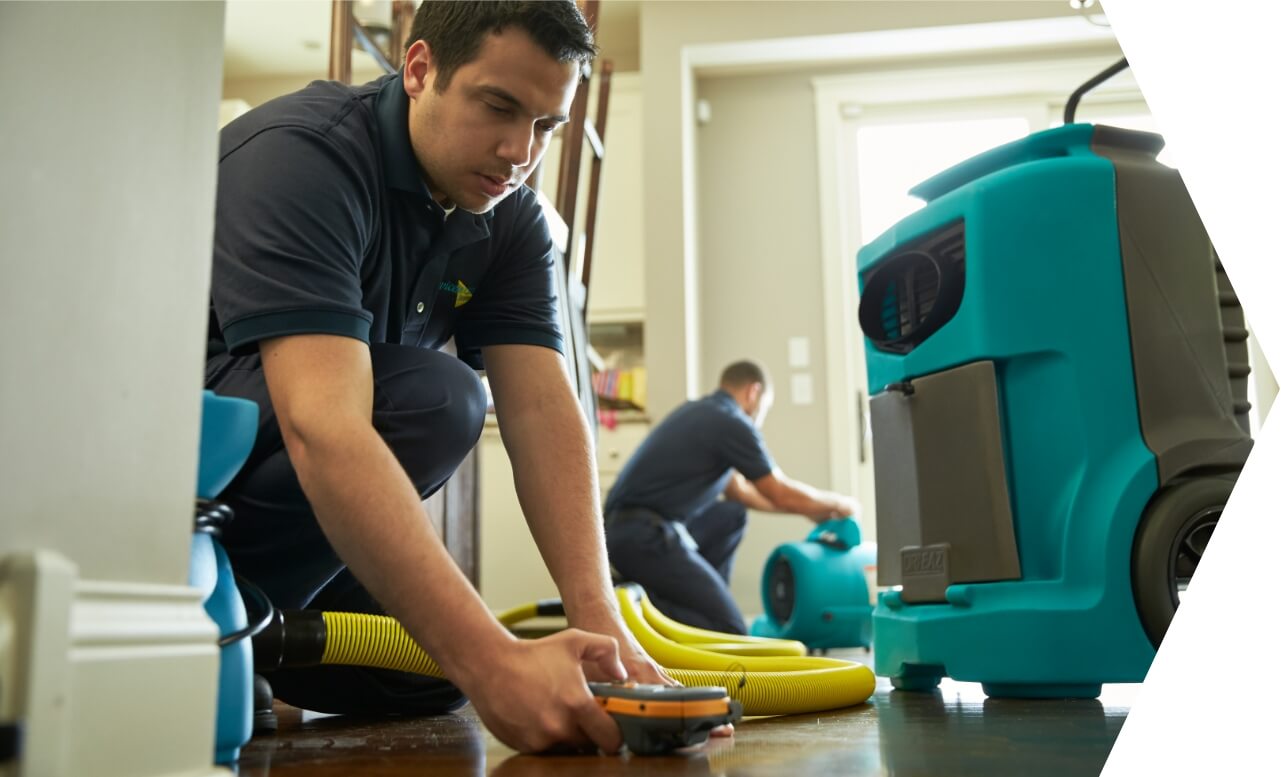
Drying and Dehumidification – Industrial-grade dehumidifiers and air movers ensure complete moisture removal.
-
Repairs and Reconstruction – Damaged structures are repaired, and the property is restored to its original condition or better.
Why Time is Critical in Restoration
Delaying professional help can worsen damage significantly. For example:
-
Within 24 hours of water exposure, mold spores can begin to grow.
-
Smoke residue becomes harder to clean the longer it remains on surfaces.
-
Structural materials weaken over time if moisture is not addressed quickly.
Quick response reduces overall costs and ensures a safer environment.
Choosing the Right Restoration Partner
When looking for restoration services, homeowners and business owners should consider:
-
Experience and Certifications – Ensure technicians are trained and certified in water, fire, and mold restoration.
-
24/7 Availability – Disasters rarely happen during business hours, so round-the-clock service is essential.
-
Advanced Equipment – Professional-grade tools allow faster, more thorough restoration.
-
Transparent Communication – A good provider keeps clients updated throughout the process.
-
Insurance Assistance – Many restoration companies help navigate insurance claims, reducing stress for property owners.
Preventive Measures to Reduce Future Damage
While disasters are unpredictable, preventive steps can reduce risks:
- Regularly inspect plumbing, roofing, and appliances for leaks or weaknesses.
- Install smoke detectors and maintain fire extinguishers.
- Ensure proper ventilation to prevent mold growth.
- Keep gutters and drains clear to reduce flooding risks.
- Develop an emergency response plan for both family and employees.
These small steps can make a big difference when unexpected situations arise.
Real-Life Impact of Professional Restoration
Consider a homeowner whose basement floods after a heavy rainstorm. Without immediate intervention, the water could cause mold, warped flooring, and structural weakening. A professional restoration team, however, arrives quickly, extracts the water, disinfects the area, and restores the basement within days. This not only saves the home from costly long-term damage but also provides the homeowner with reassurance that their property is safe again.
FAQs About Restoration Services
Q. How soon should I call a restoration company after damage occurs?
A. Immediately. The sooner professionals arrive, the more damage can be prevented. For example, calling within the first 24 hours after water damage drastically reduces the risk of mold growth.
Q. Will my insurance cover restoration costs?
A. Most property insurance policies cover restoration for incidents such as fire, storm, or water damage. However, coverage depends on the policy, so it is best to review your plan or work with a restoration provider that assists with claims.
Q. Can I handle water damage cleanup myself?
A. While small spills can be managed, major water damage requires professional drying equipment and expertise. DIY cleanup often leaves hidden moisture behind, leading to mold and structural issues later.
Q. How long does restoration usually take?
A. The timeline varies depending on the severity of the damage. Minor water issues may be resolved in a few days, while fire and structural restoration could take weeks. A professional team will provide a detailed estimate after assessment.
Q. What makes professional restoration safer than doing it alone?
A. Experts use protective gear, advanced equipment, and proven methods to eliminate hazards like contaminated water, mold spores, or smoke toxins. This ensures a healthier environment during and after the cleanup.
