
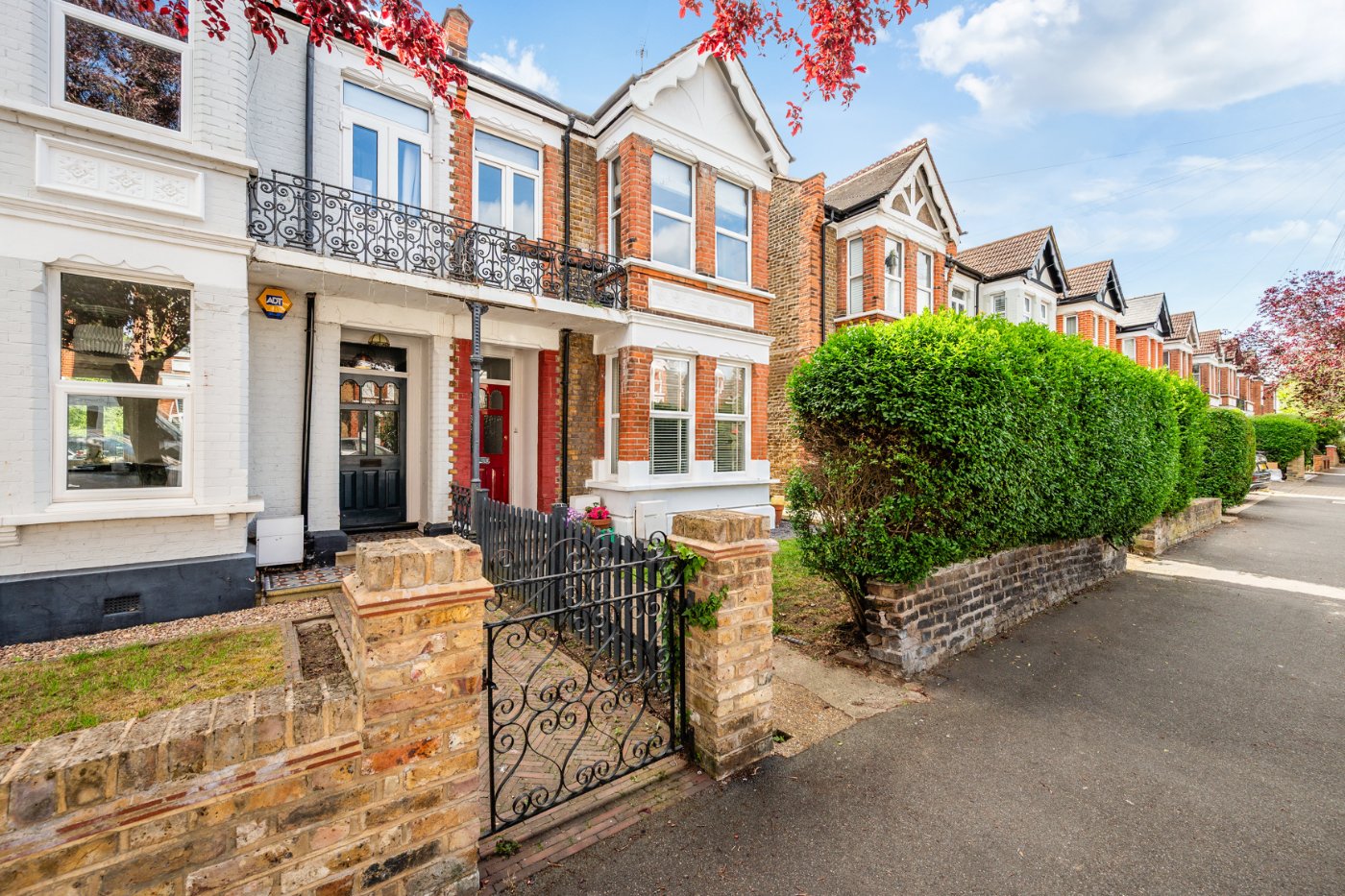
Beckenham sellers are operating in a market where buyers can compare properties instantly, making the quality of preparation increasingly important. A well-positioned home can attract stronger interest, while avoidable presentation or pricing mistakes may cause valuable momentum to disappear. Sellers also need to understand what today’s buyers actually prioritise before committing to a marketing strategy. For homeowners working with estate agents in Beckenham, this makes preparation, positioning and timing particularly important.
Rather than relying on a single valuation or simply placing a property on the market, sellers can take a more strategic approach. Understanding buyer expectations, improving presentation, choosing the right launch moment and managing offers carefully can all contribute to a more efficient route towards completion.
Buyer Priorities Shape Market Appeal
Buyers rarely assess a property on price alone. They consider how easily the home fits their lifestyle, including transport connections, outdoor space, room flexibility, parking, storage and the condition of kitchens and bathrooms.
Beckenham’s varied housing stock means these priorities can differ considerably between properties. A period family house may attract buyers looking for character and generous living space, while an apartment may compete more heavily on convenience, running costs and access to transport.
Sellers should identify the strongest three or four features of their property before marketing begins. These should then appear consistently across the listing, photography and viewings.
One overlooked factor is usability. A spare bedroom presented as an office, for example, can demonstrate flexibility to buyers working from home. Professional experience suggests sellers should market possibilities without making claims the property cannot support.
Presentation Can Create Momentum
Buyers often make an initial decision before stepping through the front door. Online photographs, the property’s exterior and the first few moments of a viewing can strongly influence whether interest develops into an offer.
That does not mean sellers need to undertake an expensive refurbishment. Cleaning, decluttering, repairing obvious defects and improving kerb appeal can often deliver more value than major cosmetic projects immediately before a sale.
Kitchens and bathrooms deserve particular attention because buyers can find these areas difficult to visualise differently. Simple improvements such as replacing damaged fittings, refreshing grout or removing unnecessary items can make the space appear better maintained.
A common mistake is spending heavily on improvements that reflect personal taste. Neutral, practical presentation usually gives buyers more freedom to imagine living in the property.
A useful professional tip is to complete preparation before photography rather than waiting until viewings begin. Your online presentation is effectively the first viewing for many buyers.
Pricing Should Reflect Evidence
The asking price establishes the property’s position in the market. Set it too high and potential buyers may dismiss the listing; set it too low and sellers may sacrifice negotiating leverage.
Current listings provide useful context, but asking prices do not necessarily show what comparable homes have actually achieved. Sellers should therefore distinguish between advertised properties and completed transactions when considering their property’s value.
A good valuation should account for differences in condition, floor area, location, parking, gardens, extensions and other features. Two apparently similar houses can have significantly different market values once these details are considered.
The common mistake is choosing a valuation simply because it is the highest. An ambitious figure can initially feel reassuring but may reduce buyer engagement if it sits outside realistic expectations.
Professional experience suggests sellers should ask for a clear pricing strategy. Find out what evidence supports the suggested asking price, which buyers are likely to be targeted and when the price would be reviewed if activity is weaker than expected.
Launch Timing Can Influence Interest
The timing of a property launch can affect how much attention it receives. Sellers should consider competing listings, seasonal buyer activity, personal deadlines and the property’s readiness rather than rushing onto the market simply because they want to start immediately.
A strong launch can create useful early momentum. If photography, floor plans, paperwork and presentation are ready before the listing goes live, buyers can receive a complete impression from the outset.
This is particularly important because a property that sits on the market for an extended period can begin to attract questions about whether the price is realistic. Fresh presentation and accurate positioning can help prevent that situation.
One overlooked factor is seller availability. If you are unable to accommodate viewings promptly, a strong launch may lose some of its potential. Agreeing viewing arrangements in advance can help convert early interest into appointments.
A practical tip is to prepare a launch timetable covering photography, listing publication, viewing availability and feedback. This creates a more coordinated start and makes it easier to identify whether adjustments are needed.
Offers Need Strategic Assessment
Receiving several offers can be encouraging, but sellers should consider more than the headline figure. The buyer’s financing, chain position, preferred timescale and ability to proceed can all affect the eventual outcome.
A cash buyer may have a different risk profile from someone dependent on a mortgage, while a buyer with no related sale may offer greater certainty than someone waiting for another property to complete.
Sellers should ask for enough information to understand the strength of each offer. The highest figure is not automatically the best choice if the buyer’s circumstances create substantial uncertainty.
Another common mistake is negotiating purely on price. Sometimes other terms, such as completion timing or flexibility around fixtures and fittings, can make an offer more attractive without requiring a major change in the headline amount.
A professional tip is to compare offers on both value and certainty. The strongest proposal is often the one that provides a sensible balance between price, funding and a realistic route to exchange.
Conclusion
A successful Beckenham sale increasingly depends on making several good decisions rather than relying on one impressive valuation. Understanding buyer priorities helps sellers present the property effectively, while sensible preparation can strengthen its first impression. Evidence-led pricing and a coordinated launch can create better early momentum, and careful assessment of offers can reduce the risk of choosing a buyer who struggles to reach completion.
Sellers should also remember that preparation does not need to mean expensive renovation. Strategic improvements, accurate positioning and clear communication can often make a meaningful difference without unnecessary expenditure.
For homeowners considering a move, obtaining an up-to-date valuation and reviewing the property’s presentation before launch can provide a useful starting point. With the right preparation, Beckenham sellers can approach the market with greater confidence and a clearer route towards achieving a successful completion.
