
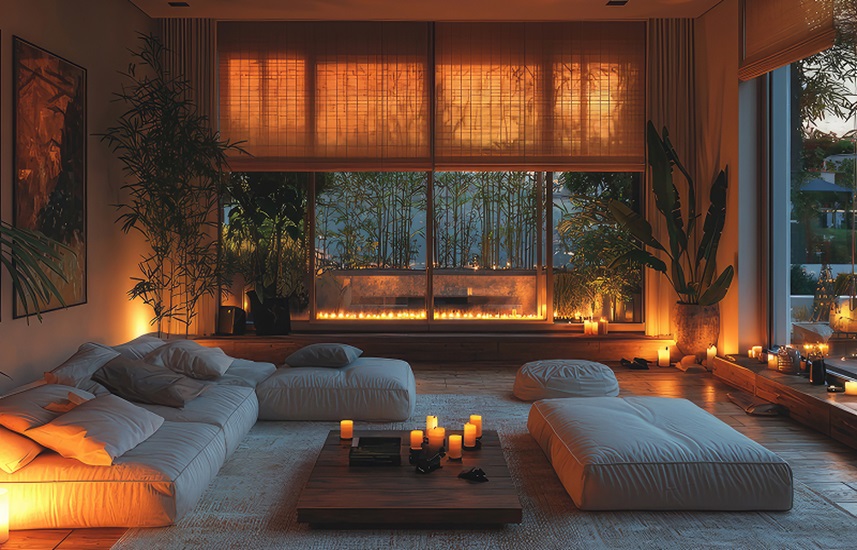
The Difference Between a Beautiful Room and a Meaningful Home
- A personal home reflects the habits, interests and memories of the people who live in it rather than following a single showroom style.
- Thoughtful colour choices, varied textures and layered lighting help create a space that feels comfortable and distinctive.
- Meaningful possessions and practical furniture arrangements give rooms character without making them feel cluttered.
- Working with an experienced Singapore interior design company can help translate individual preferences into a cohesive and functional home.
Why Does a Perfectly Styled Home Sometimes Feel Impersonal?
A beautifully furnished home can make an excellent first impression, yet still feel strangely unfamiliar to the people living in it. Matching furniture, carefully coordinated colours and immaculate surfaces may create visual harmony, but a home needs more than a polished appearance to feel welcoming.
The difference often lies in how closely the design reflects its occupants. A reader may need a comfortable corner for books, while someone who enjoys entertaining may prefer an open dining area. A family might value durable finishes and flexible storage, whereas a collector may want display spaces for treasured objects.
These everyday preferences should influence design decisions from the beginning. Instead of treating a home like a showroom, consider how each room can support your routines, interests and relationships. The result can still look refined, but its character comes from the people who use it.
How Can Colour and Texture Give a Home More Character?
A coordinated colour scheme creates continuity, but using the same shade and finish throughout every room can make an interior feel flat. Personal spaces often benefit from subtle contrasts that introduce depth without disrupting the overall design.
Start with colours that make you feel comfortable. Earthy neutrals can create a calm foundation, while muted greens, deep blues or warm terracotta can introduce personality. You do not need to cover every wall in a strong colour. A painted alcove, upholstered chair or carefully chosen artwork may provide enough contrast to make a room distinctive.
Texture is equally important. Combining timber, linen, woven materials, ceramics and soft upholstery creates visual interest even when the colour palette remains restrained. These materials also influence how a room feels to the touch, helping it appear more inviting.
Consider the following combinations:
- For a calm bedroom: Layer soft bedding, natural textures and warm neutral shades.
- For a lively living room: Combine a simple sofa with patterned cushions, textured rugs and distinctive artwork.
- For a welcoming dining area: Introduce timber finishes, comfortable seating and lighting that creates a relaxed atmosphere.
- For a compact flat: Use a consistent base palette, then introduce personality through smaller accessories and contrasting textures.
When choosing finishes, consider Singapore’s warm, humid climate and the practical demands of daily living. Materials should not only look appealing but also suit cleaning routines, ventilation conditions and the way each room is used.
Which Personal Objects Deserve a Place in Your Interior?
Personal possessions can make a home memorable because they carry stories that newly purchased decorations cannot always reproduce. Travel souvenirs, inherited furniture, family photographs, handmade ceramics and favourite books can all give a room a sense of identity.
The key is to display these objects with intention. Filling every shelf and tabletop may create visual noise, while hiding everything away can leave a home feeling sterile. Select pieces that hold genuine meaning or contribute something distinctive to the space.
Grouping related objects can make collections feel considered. For example, a few framed photographs might sit together on a console, while ceramics of different shapes could form a small display on an open shelf. Leaving some space around these arrangements helps each item stand out.
It is also worth resisting the urge to replace everything during a renovation. An older cabinet may carry sentimental value, and a well-loved chair might become a striking feature when paired with contemporary furnishings. Mixing old and new pieces can create a more individual interior than buying a complete matching furniture set.
How Should Furniture and Lighting Reflect Your Everyday Life?
A home should work for its occupants before it is styled for photographs. Furniture placement, storage and lighting all affect whether a space feels natural to use.
Begin by observing your daily routines. If the living room doubles as a reading area, position a comfortable chair near a suitable light source. If you regularly host friends, make sure the dining area allows people to move around comfortably. In a smaller flat, multifunctional furniture and well-planned storage can preserve useful floor space without sacrificing personality.
Lighting deserves particular attention because it changes the atmosphere of a room throughout the day. A single bright ceiling light may provide general illumination, but combining ceiling lights with floor lamps, table lamps and task lighting offers greater flexibility. Warm lighting can create a relaxed evening setting, while focused illumination supports activities such as reading, cooking and working.
Before finalising the layout, use this practical checklist:
- Measure furniture and walkways to maintain comfortable circulation.
- Identify where natural light enters and how it changes during the day.
- Plan storage around the items you actually own.
- Allow room for hobbies, social activities and quiet personal time.
- Choose lighting for specific tasks as well as overall ambience.
- Keep frequently used objects accessible instead of prioritising appearance alone.
These decisions help create a home that feels effortless to live in, rather than one that requires constant tidying to maintain an ideal appearance.
What Should You Look for in an Interior Design Partner?
Turning personal preferences into a cohesive interior can be challenging, particularly when balancing aesthetics, storage, renovation costs and practical requirements. A design professional can help connect these elements while keeping the homeowner’s priorities at the centre of the process.
When comparing options, look for a Singapore interior design company that takes time to understand your lifestyle, asks about your routines and explains how its recommendations address your needs. Review previous projects to see whether the designer can create different styles rather than applying the same look to every property.
People searching for the best interior design firm in Singapore should also consider communication, budget transparency, material recommendations and project coordination. A strong portfolio is useful, but it should be accompanied by a clear understanding of how the design process works and how decisions will be handled.
Prepare for your consultation by collecting reference images, listing your essential requirements and identifying items you want to keep. You do not need to have every detail decided. Explaining what you like, what you dislike and how you use your home gives the designer a more useful starting point than requesting a particular trend without considering its suitability.
Create a Home That Tells Your Story
A personal interior does not need to reject contemporary design or avoid carefully coordinated furnishings. It simply needs to leave room for individuality. Thoughtful colours, tactile materials, meaningful possessions, comfortable layouts and adaptable lighting can turn an attractive space into one that genuinely belongs to its occupants.
The most successful design decisions balance visual appeal with everyday comfort. When your home reflects your interests and supports your routines, it can feel polished without losing its warmth or character.
If you are planning a home that reflects your lifestyle and personal taste, contact Jialux Interior to discuss your interior design ideas and explore suitable solutions for your space.
