
6
Most people never think about their plumbing until water starts pooling around their ankles in the shower or backing up into the kitchen sink. A slow or blocked drain is more than a minor annoyance; it puts unnecessary strain on your plumbing system, breeds unpleasant odors, and can eventually cause expensive structural leaks.
Commercial unclogging chemicals promise quick fixes, but they often eat away at your pipes, damage rubber seals, and create dangerous fumes. The real solution to persistent drainage headaches lies in steady, proactive care. With an understanding of how household waste behaves inside your pipes and a few disciplined maintenance habits, you can keep your drainage system running freely year-round.
Understanding the True Culprits Behind Blockages
Plumbing lines operate entirely on gravity and water flow. When non-liquid substances enter the system, they settle in low spots, cling to pipe imperfections, and create traps for other debris. Over time, these small deposits build on themselves until wastewater can no longer pass through.
-
Fats, Oils, and Grease (FOG): Warm grease pours down the drain smoothly as a liquid, but it cools rapidly inside underground lines. Once solidified, it forms a sticky layer along the interior walls of your pipes, catching food bits and creating a dense, clay-like obstruction.
-
Hair and Soap Residue: Hair is structurally resilient and catches easily on mechanical drain stoppers and pipe junctions. When combined with the fatty acids in traditional bar soap, it forms solid tangles known as soap scum mats that choke off bathroom pipes.
-
Mineral Scale: Hard water leaves behind calcium and magnesium deposits on the inner walls of metal and PVC pipes. These rough, crusty mineral ridges reduce the pipe diameter and snag passing debris.
-
Foreign Objects and Hygiene Products: Wipes, paper towels, dental floss, feminine hygiene items, and cotton swabs do not break down in water like toilet tissue. Even products marketed as flushable retain their strength and twist around pipe bends, causing severe blockages.
Kitchen Drain Strategies That Protect Your Pipes
The kitchen sink handles an incredible variety of organic matter daily, making it the most vulnerable fixture in the house for dense, stubborn clogs. A few straightforward kitchen practices can protect these lines from build-up.
Dispose of Cooking Fats Properly
Never pour bacon grease, frying oil, butter, or meat drippings directly into the sink. Even running hot water and liquid dish detergent alongside grease does not prevent clogs; the soap merely emulsifies the fat temporarily, allowing it to coat the pipes farther down the line where the water turns cold. Instead, pour liquid grease into an empty tin can or heat-safe container, allow it to solidify, and discard it in the trash. Wipe oily skillets with a dry paper towel before washing them.
Use Your Garbage Disposal Correctly
Garbage disposals are designed to grind soft food residue, not serve as a replacement for the trash can. Fibrous foods like celery stalks, onion skins, corn husks, and artichoke leaves wrap around disposal blades and bind the motor. Starchy scraps such as potato peels, rice, and pasta expand when exposed to water, creating pasty plugs inside the trap.
Always turn on a strong stream of cold water before activating the disposal, keep it running throughout the grinding cycle, and let the water run for twenty to thirty seconds after turning the unit off. Cold water solidifies stray grease so the impellers can chop it into tiny bits and flush it completely out into the main sewer run.
Catch Solid Waste at the Surface
Place a simple stainless steel mesh strainer basket over the drain opening, even if you have an active disposal unit. These small screens catch coffee grounds, seeds, bone fragments, and loose produce scraps that would otherwise settle in the horizontal runs of your kitchen branch line.
Bathroom Drain Protection for Smooth Daily Flow
Bathroom plumbing encounters an entirely different set of waste challenges, primarily dominated by hair shedding, personal care oils, and cosmetic products.
Install Removable Hair Catchers
Preventing hair from entering the drain in the first place is far easier than pulling out a wet, tangled blockage later. Standard pop-up stoppers in tubs and showers have internal crossbars that catch hair beneath the surface. Unscrew or pull out these decorative stoppers and place a dome-shaped silicone or perforated metal hair catcher over the drain opening. Clean the catcher after every couple of showers to maintain clear water flow.
Flush Out Soap Scum Regularly
Bar soaps contain tallow and other animal or vegetable fats that precipitate out when mixed with minerals in tap water. Over weeks and months, this film coats the drain pipe beneath the shower floor. Switching to liquid body washes or shower gels drastically reduces soap scum accumulation because they are formulated with synthetic detergents that stay dissolved in water.
If you prefer traditional bar soap, follow your shower with a thirty-second burst of hot water to rinse lingering residue down through the trap before it settles and cools.
Keep Cosmetics Away from the Sink
Toothpaste, shaving creams, facial masks, and clay-based cleansers are dense and sticky. When rinsing your mouth or shaving, run the water continuously rather than letting heavy cosmetic paste pool around the drain collar. Never wash clay art supplies, plaster, or thick cosmetic mud down your bathroom sinks, as these heavy compounds settle in the low curve of the P-trap and cure like cement.
Safe and Effective At-Home Maintenance Routines
You do not need toxic, acid-based chemical cleaners to keep your plumbing lines clear. Gentle mechanical methods and natural cleansers preserve the lifespan of your piping materials while dissolving minor build-up before it turns into a complete blockage.
The Weekly Boiling Water Flush
For homes with metal piping, such as copper or cast iron, pouring a kettle of boiling water down the kitchen sink once a week melts away light grease films and washes away loose sediment. If your home has modern PVC or ABS plastic pipes, use very hot tap water rather than boiling water, as extreme thermal shocks can soften certain plastic pipe joints or weaken rubber slip-joint washers.
The Gentle Enzyme Treatment
Enzymatic and bacterial drain cleaners use living cultures to digest organic matter, including grease, soap fats, and food particles. Unlike caustic lye or sulfuric acid, biological cleaners do not generate heat, produce harmful fumes, or corrode pipe walls. Pour an enzyme cleaner into your drains once a month right before going to bed, allowing the bacteria several hours of undisturbed time to break down organic slime inside the lines.
Clearing the P-Trap Manually
Beneath every sink sits a curved pipe known as a P-trap. Its primary job is to hold a small pool of standing water that seals out sewer gasses from entering your living spaces. Because of its dipped shape, heavy debris often settles right at the base of the curve.
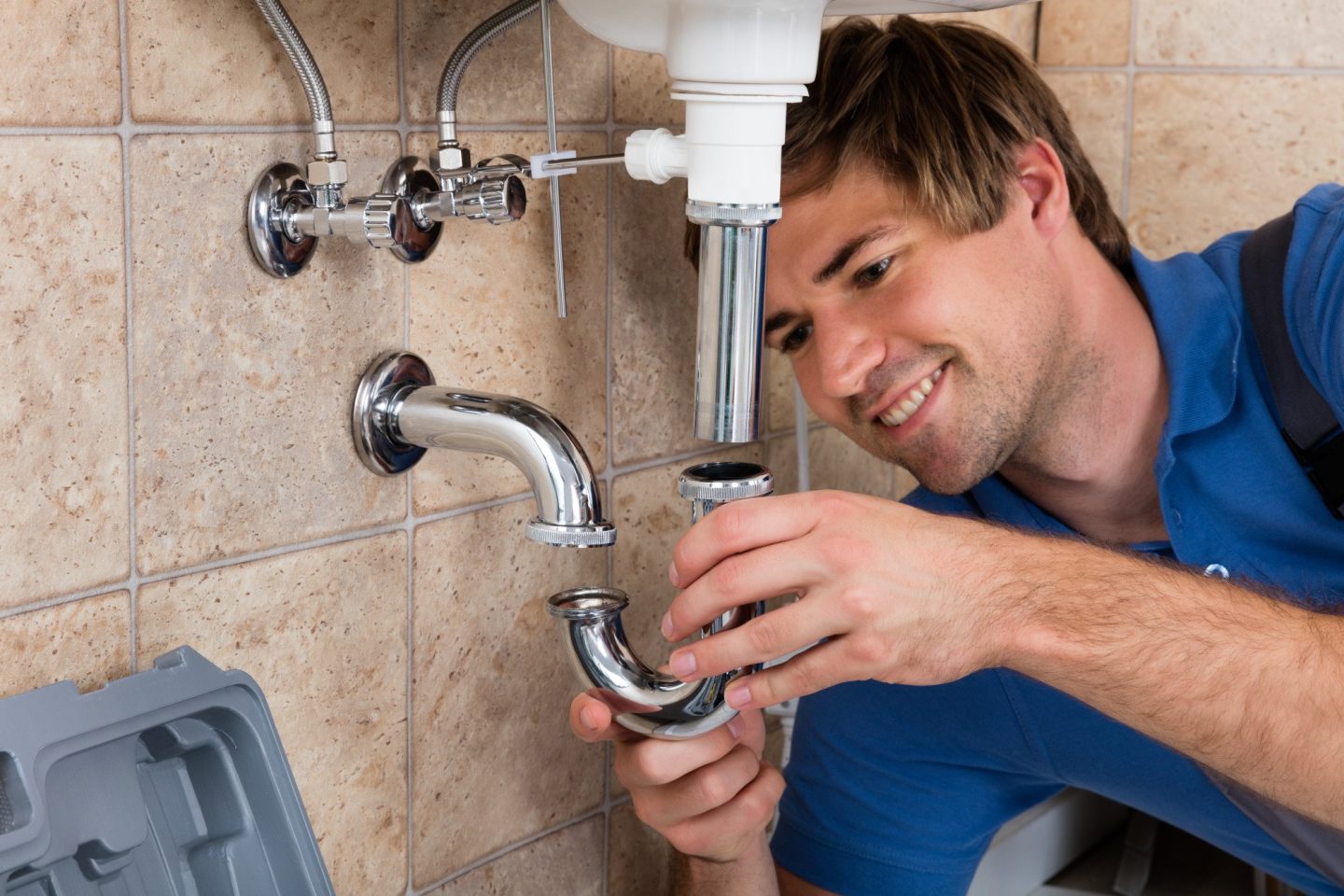
Once or twice a year, place a small plastic bucket beneath the trap, loosen the two slip nuts by hand or with channel locks, and slide the curved section off. Dump the trapped sediment and water into the bucket, rinse the pipe in another sink or outdoor hose, check the rubber gaskets for cracking, and reinstall the pipe firmly.
Frequently Asked Questions
Are chemical drain cleaners ever safe to use on stubborn clogs?
Caustic and acid-based store cleaners generate high chemical heat to dissolve obstructions. This intense heat can warp thin PVC pipes, soften adhesive joints, and crack ceramic sink fixtures. Furthermore, if the chemical fails to clear the clog, your plumbing fixtures will sit filled with corrosive, toxic water that endangers anyone who later has to take the drain apart manually. Gentle mechanical clearing methods like a hand snake or plunger are always safer options.
Why does my sink gurgle when water drains from another fixture?
Gurgling sounds usually point to a blocked plumbing vent stack rather than a problem inside the drain line itself. Plumbing systems require incoming air through roof vents to equalize pressure as water flows down through the pipes. When a vent pipe becomes clogged by leaves, bird nests, or snow, the draining water creates negative pressure and pulls air through nearby fixture traps, resulting in a distinct sucking or gurgling noise.
Can baking soda and vinegar permanently clear a tough pipe blockage?
The foaming reaction between baking soda and vinegar looks impressive and can help freshen up a smelly drain, but it lacks the mechanical pressure and caustic strength needed to break through dense hair tangles or solid grease plugs. The chemical reaction quickly yields water and sodium acetate, an inert salt solution. While harmless to pipes, it functions more as a mild deodorizer than an effective drain-clearing tool.
How far down the drain should a standard hand snake be inserted?
Most common household clogs sit within the first three to six feet of the fixture, either in the P-trap assembly or the branch line directly behind the wall. Feed the cable forward steadily until you feel firm resistance. Once you meet resistance, rotate the handle to let the corkscrew tip chew into or snag the obstruction, then slowly retrieve the cable. Avoid forcing the snake forcefully around bends, which can scratch the interior walls of old pipes.
Does cold weather make household drain clogs more likely to happen?
Yes. Colder ambient temperatures cool the soil surrounding underground drainage pipes and chill the crawlspace or basement where drain lines run. Fats, oils, and soap scum entering these cold pipes lose their heat much faster than they do in warm weather, causing them to congeal and solidify almost immediately against the pipe walls. Extra care with hot water flushing is helpful throughout winter.
How do I tell if a clog is localized to one sink or in the main sewer line?
If only one fixture drains slowly, the obstruction is located locally in that sink, shower, or tub branch. If multiple fixtures back up simultaneously—such as your shower filling with wastewater when the toilet is flushed, or the laundry drain backing up into a basement floor drain—the issue sits deep in the main building sewer line. Main line backups usually require professional mechanical snaking or hydro-jetting equipment.
