
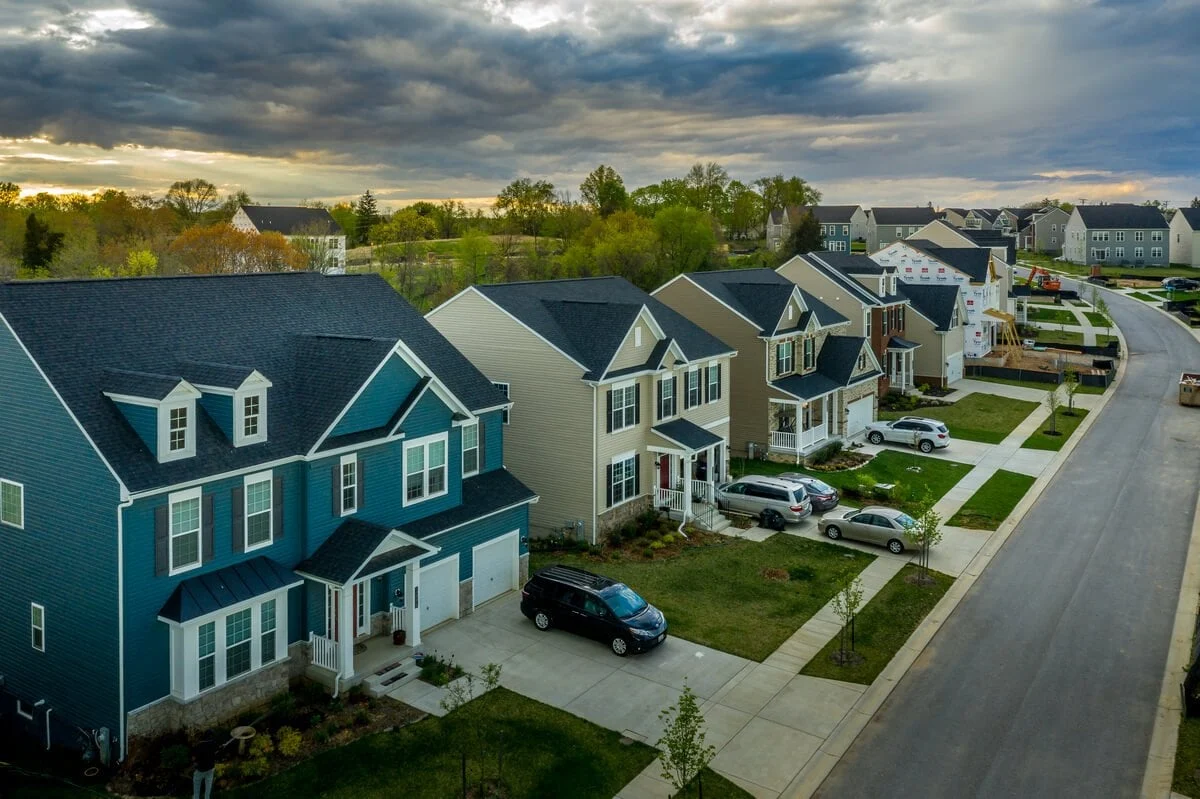
A property does not exist in isolation. Its value is shaped not only by the house itself, but also by what is happening on the streets around it, how convenient the area is becoming and whether buyers see the neighborhood as improving or declining. That is why people who follow real estate closely, including Ali Ata, often pay attention to changes beyond the property line. A new school, improved transport links, rising retail activity or even a shift in the type of housing being developed nearby can gradually alter how desirable an area feels and, in turn, how buyers value the homes within it.
Some neighborhood changes are obvious. A neglected commercial strip may be redeveloped, a large employer may open nearby or a new transit station may reduce commuting time dramatically. Others are far more gradual. Several older homes might be renovated one by one, independent businesses begin replacing vacant storefronts and more buyers start competing for properties that previously attracted little attention. Over time, those small changes can combine to reshape the reputation of an entire area.
The important point is that property values often respond to perception before the transformation is complete. Buyers do not only pay for what a neighborhood is today; they also make judgments about what it might become.
Convenience Can Change the Way Buyers See an Area
One of the strongest influences on neighborhood desirability is convenience. If residents can reach work, schools, shops and leisure facilities more easily, an area may appeal to a broader group of buyers.
Transport improvements are a good example. A neighborhood that once required a long drive into a business district may become considerably more attractive after a new rail connection or improved road access is introduced. The houses have not changed, but their relationship to the wider city has.
Walkability can have a similar effect. The arrival of grocery stores, cafés, parks and everyday services within easy reach can make an established residential area feel more practical. Buyers who previously dismissed the neighborhood because it seemed isolated may begin to reconsider it.
This does not mean every new development automatically raises nearby property values. Increased traffic, noise or congestion can create disadvantages. A major road project that shortens journeys for some residents may leave others living beside heavier traffic. Neighborhood change almost always creates winners and losers depending on exactly where a property sits.
Schools Can Have an Outsized Influence
For family buyers, schools can be one of the strongest reasons for choosing one neighborhood over another.
An improvement in the reputation or performance of local schools can increase demand from buyers who want access to them. If school admission is closely connected to residential boundaries, homes on one side of a street can sometimes attract noticeably different interest from those on the other.
School-related value is also influenced by perception. Parents often exchange recommendations, research local results and form opinions long before they attend a property viewing. Once a neighborhood develops a strong reputation among families, that demand can become self-reinforcing.
The opposite can happen too. School closures, declining enrollment or concerns about educational provision may cause some families to widen their property searches elsewhere.
For homeowners without children, these issues might seem irrelevant to their own lifestyle. However, property value is influenced by the preferences of future buyers, not only the needs of the current owner.
New Businesses Can Signal a Wider Shift
A single coffee shop is unlikely to transform a property market, but patterns in local businesses can reveal something about how an area is changing.
When restaurants, independent retailers and professional services begin moving into previously underused commercial spaces, they can increase foot traffic and make a neighborhood feel more active. Developers and businesses usually conduct their own research before investing, so their arrival can sometimes reinforce the impression that demand in the area is increasing.
Large employers can have an even more direct effect. If a company opens a major workplace nearby, employees may begin looking for homes within an easy commute. Increased rental demand can follow as well, particularly if the workforce includes people relocating temporarily or arriving before deciding whether to buy.
There can also be downsides. Popularity may bring higher rents for local businesses, more traffic and pressure on parking. Long-term residents may feel that the character of the area is changing too quickly. From a property-value perspective, however, increased demand often matters more than whether every resident personally welcomes the change.
Housing Development Can Work in More Than One Direction
New housing is sometimes assumed to reduce the value of existing properties by increasing supply, but the reality can be more complicated.
A well-planned development may bring improved roads, landscaping, amenities and renewed investment into an area. New homes can attract buyers who previously overlooked the neighborhood, increasing overall visibility and confidence.
At the same time, large developments can create competition for sellers. If buyers can choose a brand-new property with modern insulation, warranties and contemporary layouts for only slightly more than an older house nearby, existing homeowners may need to think carefully about pricing.
Density also matters. Some buyers welcome apartments and townhouses because they support local shops and create a more walkable environment. Others specifically seek quieter, lower-density neighborhoods and may become less interested as development intensifies.
This is why broad statements such as “new development is good for prices” or “more housing lowers values” are rarely sufficient. The nature, quality and location of the development all matter.
Public Spaces Can Quietly Improve Desirability
Parks, walking routes, playgrounds and attractive streetscapes do not always receive the same attention as major infrastructure projects, yet they can have a powerful influence on how people experience a neighborhood.
A neglected park that is renovated can become a genuine community asset. Better lighting and landscaping may make streets feel more welcoming. New cycling routes can improve connections between residential areas and local centers.
These improvements often change the emotional experience of viewing a home. Buyers do not simply inspect the kitchen and count bedrooms; they imagine walking the dog, taking children outside or spending weekends nearby. An attractive public environment can strengthen that picture.
The reverse is also true. Poorly maintained public spaces, persistent litter or visible deterioration may affect buyer confidence even when the individual property is in excellent condition.
Reputation Can Lag Behind Reality
One of the most interesting things about neighborhood change is that reputation does not always update at the same speed as the area itself.
A district may have improved significantly while buyers from outside the area continue to think of it according to an outdated reputation. That can sometimes create a period when prices remain relatively affordable despite improving amenities.
Eventually, word spreads. Buyers who have been priced out of nearby neighborhoods start exploring alternatives. Local agents begin highlighting the area more heavily. Renovations become more common and comparable sale prices begin rising.
The opposite can happen when an area retains a desirable reputation despite emerging problems. Buyers may continue paying a premium for some time before changing conditions become widely recognized.
This delay between reality and perception helps explain why property markets do not always move in perfectly predictable ways.
Not Every Improvement Produces an Immediate Payoff
Homeowners can sometimes become overly optimistic when major investment is announced nearby. Plans for a new station, shopping district or regeneration project may sound transformational, but proposed projects can be delayed, redesigned or abandoned altogether.
Even completed improvements may take years to influence buyer behavior fully.
Property owners should therefore be cautious about assuming that a particular development guarantees a specific increase in value. Real estate markets are influenced by mortgage rates, employment conditions, housing supply and broader economic confidence at the same time.
A neighborhood can become objectively better while property prices remain flat because the wider market is weak. Equally, prices can rise in an area with relatively little physical change simply because demand across the entire region is strong.
Understanding neighborhood change is therefore less about predicting an exact future price and more about recognizing the forces that can influence demand over time. Transport, schools, business activity, housing development and public investment all help shape how buyers perceive an area.
A homeowner may renovate a kitchen or replace a roof, but some of the biggest changes affecting the eventual selling price can happen beyond their control. The street, the surrounding community and the wider neighborhood continue evolving whether the property itself changes or not. That is one reason real estate value is never simply a calculation based on square footage and condition; it is also a reflection of how desirable a particular place has become.
