
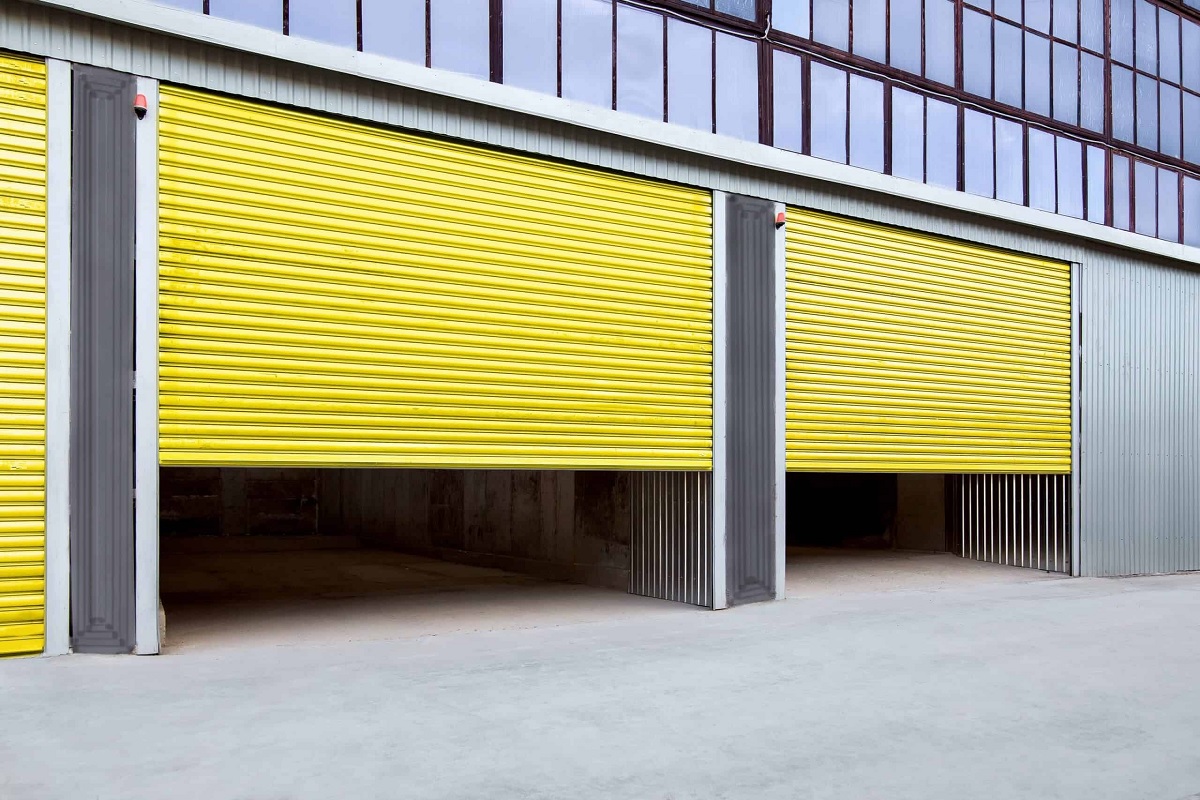
Running a commercial property involves balancing safety, efficiency, and long term cost management. Whether you operate a retail storefront, logistics warehouse, manufacturing plant, or restaurant, protecting your premises is non negotiable. One of the most practical solutions available today is installing commercial roller shutters, which provide reliable protection while supporting daily operations.
Modern roller shutter systems are engineered to do far more than close an opening. They are designed to enhance security, improve insulation, reduce operational delays, and even contribute to a professional exterior appearance. When chosen carefully and installed correctly, they become an essential part of a business’s infrastructure.
Understanding the Structure of Commercial Roller Shutters
Commercial roller shutters consist of interlocking slats that roll vertically into a compact housing positioned above a doorway or window. This vertical design allows them to save space while delivering strong coverage.
Main Components Explained
Each shutter system includes several critical elements that work together for smooth performance:
-
Curtain Slats: The connected metal strips forming the protective barrier
-
Guide Channels: Side tracks that stabilize movement
-
Barrel Assembly: The rotating mechanism that stores the rolled curtain
-
Operating System: Manual chain hoist or electric motor
-
Bottom Rail: Reinforced base that often includes locking mechanisms
The quality of these components directly affects durability and reliability. Businesses that prioritize industrial grade materials typically experience fewer maintenance issues over time.
Why Security Remains the Top Priority
Security is the primary reason most companies invest in roller shutters. Commercial properties often have multiple vulnerable access points, especially glass storefronts and loading docks.
Deterrence Against Forced Entry
A visible steel barrier discourages unauthorized access. Criminals tend to avoid locations that require significant effort or specialized tools to breach.
Key security advantages include:
-
Reinforced locking systems
-
Impact resistant slats
-
Reduced exposure of glass panels
-
Limited visibility into closed premises
For businesses handling high value inventory, this additional protection significantly lowers theft risk.
Protection From Vandalism and Environmental Damage
Beyond break ins, roller shutters guard against graffiti, accidental vehicle impact, and harsh weather. Storm debris, strong winds, and heavy rainfall can damage exposed doors and windows.
A closed shutter creates a shield that helps prevent costly repairs and downtime.
Operational Efficiency Benefits
Security alone makes roller shutters appealing, but their contribution to operational efficiency is equally important.
Faster Opening and Closing Routines
Motorized systems allow staff to secure or open large entrances within seconds. This is especially beneficial for:
-
Busy retail stores
-
Warehouses with frequent deliveries
-
Service counters in food establishments
Quick operation reduces delays during shift transitions and delivery schedules.
Controlled Access Throughout the Day
Roller shutters can be partially opened, allowing ventilation or limited entry without fully exposing the interior. This flexibility helps maintain safety while supporting workflow.
For example, loading docks can remain partially open for airflow while restricting unauthorized access.
Material Options and Their Advantages
Choosing the right material is essential for balancing strength, weight, and maintenance requirements.
Steel Shutters
Steel offers maximum strength and durability. It is often used in industrial facilities where high security is critical.
Benefits of steel include:
-
Strong resistance to impact
-
Long lifespan under heavy use
-
High structural integrity
However, steel systems are heavier and may require stronger motor support.
Aluminum Shutters
Aluminum provides a lighter alternative without sacrificing reliability. It is resistant to corrosion, making it suitable for humid environments or coastal areas.
Advantages include:
-
Reduced strain on motors
-
Smoother operation
-
Lower maintenance needs
Insulated Shutters
Insulated slats contain internal foam cores that improve thermal performance. These are ideal for climate controlled spaces such as food storage facilities or temperature sensitive warehouses.
Improving Energy Efficiency
Commercial buildings with large entrances often struggle with heat transfer. Unprotected glass and metal doors allow significant energy loss.
Insulated roller shutters create a thermal barrier that helps maintain interior conditions. Businesses can experience:
-
Lower heating costs during winter
-
Reduced cooling expenses in summer
-
More stable indoor temperatures
Over time, improved energy efficiency contributes to overall cost savings.
Noise Control and Workplace Comfort
Urban businesses and industrial facilities often face noise challenges. Roller shutters reduce external noise intrusion and limit internal sound leakage.
Applications include:
-
Restaurants located near busy streets
-
Warehouses operating heavy equipment
-
Offices seeking quieter environments
Improved sound insulation enhances both employee comfort and customer experience.
Customization for Industry Specific Needs
Commercial roller shutters are highly customizable to meet specific business requirements.
Perforated Shutters for Retail
Perforated designs allow visibility into storefront displays even when closed. This supports visual merchandising while maintaining security.
Fire Rated Shutters
Certain commercial buildings require fire rated shutters to compartmentalize fire and smoke. These systems automatically deploy during emergencies to slow fire spread and protect evacuation routes.
High Cycle Industrial Shutters
Facilities with frequent opening and closing cycles need reinforced motors and heavy duty components. High cycle shutters are built to withstand repeated daily use.
Color and Finish Options
Powder coated finishes allow businesses to match brand colors or architectural themes. Security can be integrated seamlessly into the building’s design.
Manual vs Motorized Systems
Selecting between manual and motorized shutters depends on usage and opening size.
Manual Operation
Manual shutters typically use a chain hoist or crank mechanism. They are suitable for:
-
Smaller storefronts
-
Limited daily operation
-
Budget focused projects
They offer reliability without electrical requirements.
Motorized Operation
Motorized systems provide convenience and speed. They are recommended for:
-
Large warehouse doors
-
High traffic entry points
-
Accessibility compliance needs
Many motorized shutters include remote controls and integration with access control systems.
Installation Considerations
Professional installation is essential for safety and performance. Before installation begins, several factors must be evaluated.
Structural Assessment
The building must support the shutter’s weight and mounting system. Adequate headroom is required to house the barrel assembly.
Electrical Setup
Motorized shutters require safe wiring and possibly backup power options. Battery backup systems ensure operation during power outages.
Compliance and Safety Standards
Local building codes may require wind load ratings or fire certifications. Ensuring compliance protects businesses from legal complications.
Maintenance for Long Term Reliability
Routine care extends the lifespan of roller shutters and reduces repair costs.
Basic Maintenance Steps
-
Inspect slats for dents or alignment issues
-
Clear debris from guide channels
-
Lubricate moving components
-
Test motor response and safety sensors
Professional Servicing
Annual servicing by qualified technicians ensures all mechanical and electrical systems operate correctly. Early detection of wear prevents larger failures.
Cost Considerations and Return on Investment
The overall cost of a roller shutter system depends on:
-
Size of the opening
-
Material selection
-
Insulation features
-
Motorization level
-
Custom finishes
Although initial installation requires investment, long term savings are often realized through:
-
Reduced theft and vandalism losses
-
Lower insurance premiums
-
Energy efficiency improvements
-
Fewer structural repairs
When evaluated over many years, roller shutters provide strong value for commercial properties.
Frequently Asked Questions
Do roller shutters affect business aesthetics?
Modern shutters are available in various finishes and colors, allowing them to complement architectural design. Perforated options maintain visibility and visual appeal.
How often should shutters be serviced?
Most commercial systems benefit from professional servicing at least once per year, with more frequent inspections for high cycle industrial environments.
Can shutters be installed inside the building?
Yes. Internal installation is common in shopping malls and service counters where exterior mounting is not possible.
Are roller shutters suitable for temperature sensitive storage?
Insulated models help maintain consistent indoor temperatures, making them suitable for food storage, pharmaceuticals, and other climate controlled goods.
What safety features are typically included?
Many systems include obstacle detection sensors, emergency manual overrides, and automatic stop functions to prevent injury or damage.
Can shutters operate during a power outage?
Motorized systems can include manual override mechanisms or battery backup options to ensure continued operation during electrical disruptions.
Commercial roller shutters provide a combination of security, efficiency, and durability that few other systems match. By evaluating your specific operational needs and choosing quality materials, you can create a protective solution that supports your business for years to come.
